Running a small business means handling ten jobs while somehow finding time for an eleventh. Marketing often gets pushed aside until enquiries slow down. That is where seo services for small business can help.
Search engine optimization helps people find your business when they search for products or services you provide. Whether you own a salon, repair shop, consultancy, or online store, appearing in relevant search results can bring potential customers to your website.
However, SEO is not a magic trick. Adding a few keywords and hoping for sales is not a strategy. You need useful content, a technically sound website, and consistent improvements.

Table of Contents
- Understanding Small Business SEO
- Why Local SEO Matters
- Essential SEO Activities
- Choosing the Right SEO Package
- Mistakes to Avoid
- Frequently Asked Questions
- Conclusion
1. Understanding Small Business SEO
SEO improves your website’s visibility in unpaid search results. The aim is to connect your business with people already looking for relevant solutions.
Common services include keyword research, content optimization, technical SEO, local search optimization, and performance reporting.
For example, a local electrician could target searches related to electrical repairs in their service area. Improving relevant service pages may help potential customers understand the services offered and contact the business.
The goal is not simply to attract more visitors. It is to attract visitors who may actually become customers.
2. Why Local SEO Matters
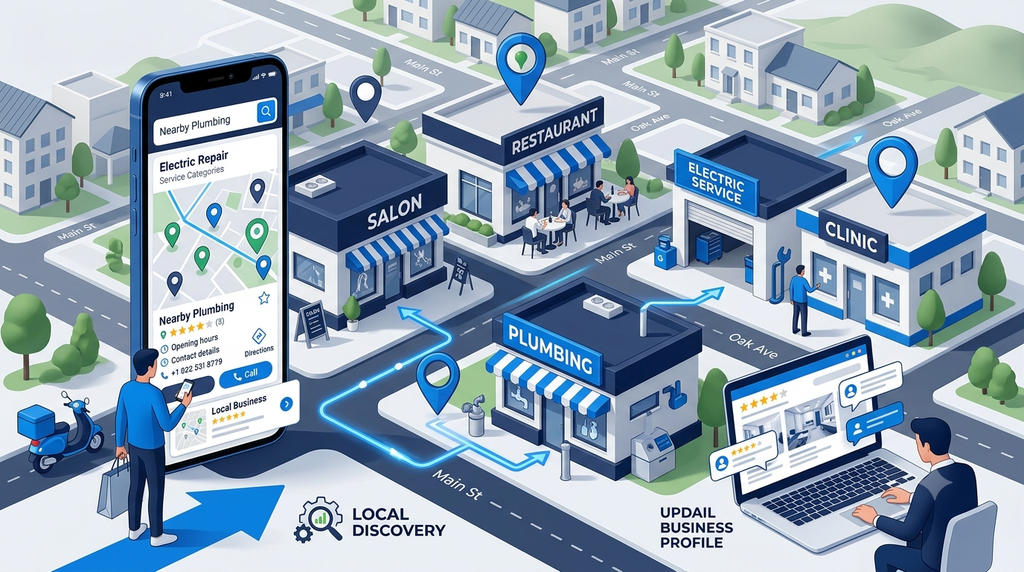
Local SEO helps businesses reach people searching within a particular area. It is especially useful for restaurants, clinics, salons, and home service providers.
Improve your Google Business Profile
Keep your contact details, opening hours, service information, and business category accurate. Add genuine photographs and respond professionally to reviews.
Build useful location pages
If your business serves several areas, create pages that explain your services in each location. Avoid publishing identical pages with different city names. That saves effort, but it does not give customers much value.
Encourage honest reviews
Ask customers for genuine feedback without buying reviews or offering rewards for positive ratings.
For instance, a neighbourhood salon can improve its local presence by maintaining accurate business information, sharing useful service details, and collecting authentic customer reviews.
3. Essential SEO Activities
A practical SEO plan covers several areas.
Keyword research
Find out what customers search for before choosing a provider. A plumbing company might target emergency repairs, pipe installation, and bathroom plumbing services.
Select keywords that match your services and customer needs instead of chasing every popular phrase.
On page optimization
Improve page titles, headings, meta descriptions, internal links, and service page content. Explain what you offer clearly and make contacting your business easy.
Technical SEO
Check mobile usability, page speed, broken links, indexing issues, and XML sitemaps. A beautiful website is not particularly useful if search engines struggle to access its important pages.
Helpful content
Answer real customer questions. A tax consultant might explain common filing mistakes, while a furniture shop could publish furniture care advice.
Every article should solve a problem rather than exist simply to increase your publishing count.
4. Choosing the Right SEO Package
SEO Packages for Small Business vary according to competition, website size, location, and workload. Compare actual deliverables instead of choosing whichever price looks attractive.
Before hiring an agency, ask:
- Which tasks are included each month?
- Who creates content and implements changes?
- How will performance be measured?
- Are reporting and technical support included?
- What happens when priorities change?
A reliable provider explains the work, limitations, and reporting process clearly.
Be cautious of guaranteed first page rankings or instant results. No agency controls Google’s ranking systems.
Start with the improvements your business needs most. A focused package with clear priorities may be more useful than paying for services you neither understand nor need.

5. Mistakes to Avoid
Small businesses can waste money by repeating a few common mistakes.
Choosing broad keywords: General terms may attract visitors who have little interest in your services.
Ignoring mobile users: A confusing mobile website can discourage potential customers from making enquiries.
Buying cheap backlinks: Unrelated links may create risks rather than build genuine authority.
Expecting instant results: SEO requires time, consistent work, and regular evaluation.
Tracking rankings alone: Monitor organic clicks, relevant enquiries, conversions, and sales when tracking is available.
Review progress regularly and adjust your approach using evidence, not assumptions.
Frequently Asked Questions
1. What are SEO services for small business?
They include keyword research, technical improvements, content optimization, local SEO, and reporting to improve relevant organic visibility.
2. How much do small business SEO services cost?
Costs depend on competition, website condition, location, and the amount of work required. Compare itemized proposals before deciding.
3. How long does SEO take to work?
Meaningful improvements often take several months. Results depend on competition, website quality, and implementation.
4. Are SEO Packages for Small Business worth buying?
They can be worthwhile when the included work supports your goals and the provider reports progress transparently.
5. Can local SEO help a small business?
Yes. Accurate business details, useful location pages, and genuine reviews can support visibility in relevant local searches.
6. Can an agency guarantee Google rankings?
No agency can reliably guarantee specific rankings because search algorithms and competitors change.
Conclusion
Effective seo services for small business help the right customers discover your business and understand what you offer. Start with local visibility, relevant keywords, useful content, and essential technical improvements.
Choose a provider that explains its work clearly and measures meaningful outcomes. Consistent improvements are a better foundation than expensive promises.
Call to Action
Review your website, identify its biggest visibility problems, and set one clear SEO goal. Then compare providers based on their proposed work, transparency, and ability to support that goal.